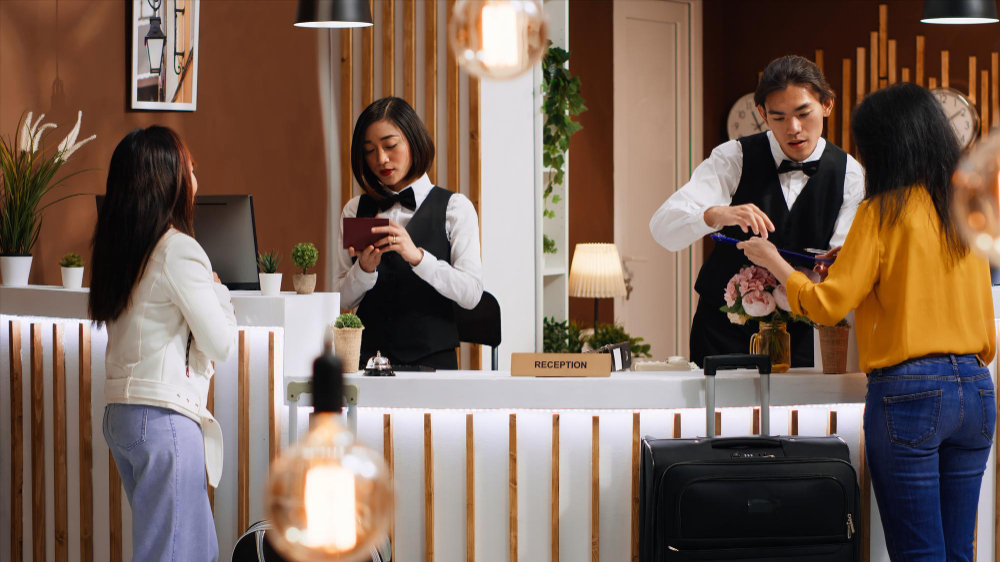
Hotels across the hospitality sector continue to face rising labor costs and changing guest expectations. Front desk operations often create the biggest staffing pressure, especially during peak hours and late arrivals. At the same time, guests expect speed, convenience, and smooth communication from the moment they arrive. This situation forces hotel operators to rethink traditional staffing models without lowering service quality.
Many hotels now look at ways to reduce front desk staff while improving operational flow. Modern digital systems support this shift by handling repetitive tasks more efficiently. A self check-in hotel system allows guests to complete check-in procedures independently while staff focus on hospitality and guest support. This balance creates a more efficient operation without making the hotel feel less personal. Hotel front desk automation also helps management maintain stable service levels during staffing shortages or seasonal fluctuations. As a result, more operators now see digital hotel check-in systems as practical tools rather than experimental technology.
Why Hotels Are Rethinking Front Desk Staffing
Hospitality businesses operate in a competitive market with constant pressure on margins. Staffing costs continue to increase, while guest expectations move toward faster service and digital convenience. Hotel operators therefore search for realistic ways to reduce hotel staffing costs without damaging the guest experience. Front desk operations often become the first area under review because many daily tasks repeat continuously throughout the day.
Guests no longer expect long conversations during arrival. Many travelers prefer speed, privacy, and flexibility. Younger travelers already feel comfortable using self-service systems in airports, restaurants, and retail stores. That behavior naturally extends into hospitality. A hotel self-service kiosk gives guests more control over their arrival process while reducing waiting times. This shift helps hotels reduce front desk staff pressure during busy periods.
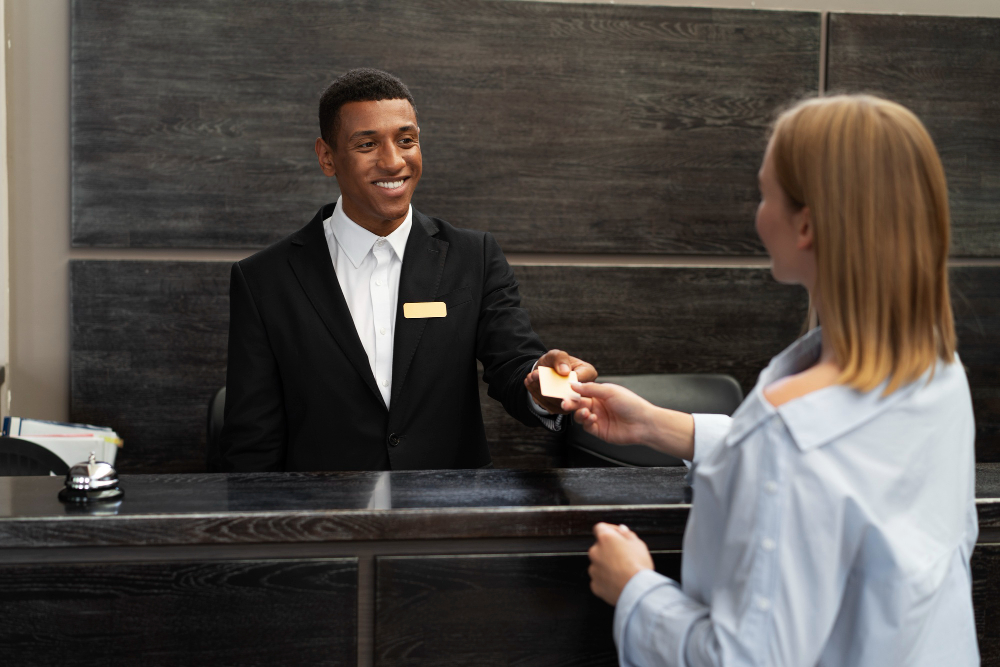
Management teams also understand that recruitment remains difficult in many regions. Retaining experienced staff costs time and money. Instead of expanding front desk teams endlessly, operators now invest in hotel guest automation solutions that improve workflow efficiency. A digital hotel check-in process reduces repetitive administration and supports smoother shift planning. Front office managers can then focus more attention on guest interaction, upselling, and service recovery. This operational change creates stronger hotel operations efficiency while maintaining a professional guest experience.
How Digital Systems Support Better Guest Service
Digital systems improve more than staffing flexibility. They also create consistency across daily operations. A self check-in hotel system allows guests to check in quickly without waiting in line during busy arrival windows. That speed reduces stress for both guests and employees. Staff can focus on helping guests with special requests rather than handling repetitive paperwork.
Hotel front desk automation also improves communication between departments. Room status updates move faster between housekeeping and reception teams. Guests receive room access details more quickly, which supports a smoother arrival experience. Hotel guest automation tools can also support payment processing, ID verification, and upselling opportunities without increasing workload.
Vendfun Self Check-In supports these operational goals through a simple and user-friendly approach. The system helps hotels reduce front desk staff dependency while maintaining a professional guest flow. Guests interact with clear instructions and intuitive interfaces, which reduces confusion during check-in. At the same time, staff remain available for personal assistance when needed.

This balance matters because hospitality still depends on human interaction. Technology should support the guest journey rather than replace hospitality completely. Hotels that understand this difference often achieve better front desk staff optimization results. Staff members experience lower stress levels, while guests enjoy faster service and fewer delays. That combination strengthens both operational performance and customer satisfaction.
Reducing Front Desk Costs Without Lowering Service Quality
Hotels cannot simply remove employees and expect operations to improve automatically. Successful operators redesign workflows before changing staffing structures. They study arrival patterns, guest behavior, and operational bottlenecks. That process helps management decide where automation creates the strongest value.
A hotel self-service kiosk often delivers immediate support during peak check-in periods. Guests who prefer digital interaction can complete registration independently. Meanwhile, front desk staff focus on guests who require additional support. This approach allows hotels to reduce front desk staff gradually without creating service gaps.
Front desk staff optimization also depends on training and communication. Employees must understand how digital systems improve their work instead of threatening their position. Managers who involve teams early in the transition usually see stronger adoption rates. Staff members often welcome automation once repetitive tasks disappear from daily operations.
Hotel operations efficiency improves further when systems integrate smoothly with existing property management platforms. Strong integration reduces manual data entry and lowers operational errors. Digital hotel check-in solutions also provide better reporting, which helps managers adjust staffing levels more accurately. These improvements support long-term efforts to reduce hotel staffing costs while maintaining service standards that guests still value.
Creating A Strong Balance Between Staff And Automation
Hospitality remains a people-focused industry. Guests still appreciate personal interaction, especially in boutique hotels, serviced apartments, and premium hospitality environments. For that reason, automation should support human service rather than eliminate it completely. Hotels that find the right balance often achieve the strongest operational results.
A self check-in hotel system handles routine processes efficiently, but staff still play an important role in hospitality. Employees manage guest requests, solve unexpected issues, and create memorable experiences. Hotel guest automation simply removes unnecessary friction from operational workflows. That shift allows staff to spend more time on meaningful guest interaction.
Vendfun Self Check-In helps management create this balance through flexible deployment options. Hotels can introduce digital check-in gradually without disrupting existing operations. This measured approach helps teams adjust comfortably while maintaining stable guest satisfaction levels. Front office managers also gain more flexibility when scheduling staff across different shifts.
Digital transformation leads and hospitality IT managers increasingly support these operational models because they combine cost control with service consistency. As labor markets continue to tighten, hotels need sustainable staffing strategies. Front desk staff optimization therefore becomes less about reducing headcount aggressively and more about improving operational value through smarter systems and stronger workflow management.
Why Management Must Embrace Hospitality Technology
Technology adoption often depends more on leadership than on software itself. Management teams shape how employees respond to operational change. Hotels that embrace innovation early usually adapt faster to changing guest expectations and staffing realities.
Managers who resist automation often focus only on technology costs. However, they sometimes overlook the long-term operational benefits. Hotel front desk automation reduces repetitive work, shortens queues, and improves workflow consistency. These improvements support stronger hotel operations efficiency across multiple departments.
Successful hospitality leaders also understand that guest behavior continues to evolve. Travelers increasingly expect digital convenience throughout their stay. A digital hotel check-in process therefore feels natural to many guests. Hotels that ignore these expectations risk falling behind competitors who already offer smoother arrival experiences.
Vendfun Self Check-In provides a practical solution for operators who want modern guest experiences without complex implementation processes. The system supports hotels that want to reduce front desk staff pressure while maintaining a welcoming environment. Management teams that support this transition often achieve stronger operational flexibility and more stable service quality over time.
Controlling Labor Costs, Vital Importtance
Hospitality operators face growing pressure to control labor costs while maintaining strong guest experiences. Traditional front desk models no longer fit every property type or operational reality. Modern hotels therefore look for practical ways to reduce front desk staff dependency without lowering service quality.
Digital systems now play a central role in that transition. Hotel front desk automation, hotel guest automation, and digital hotel check-in solutions help teams work more efficiently while improving guest flow. At the same time, staff remain essential for hospitality, communication, and problem solving.
Vendfun Self Check-In supports this balanced operational approach. Hotels gain more flexibility, smoother workflows, and stronger hotel operations efficiency without losing the human side of hospitality. Operators who combine technology with strong management support often achieve the best long-term results.
Frequently Asked Questions About Reducing Front Desk Staff
How can hotels reduce front desk staff without lowering service quality?
Hotels can reduce front desk staff by automating repetitive tasks such as check-in, payment processing, and ID verification. A self check-in hotel system allows guests to complete these steps independently, while staff focus on guest support and hospitality. This balance helps maintain service quality while improving operational efficiency.
Does hotel front desk automation replace hotel employees completely?
No. Hotel front desk automation supports staff rather than replacing them entirely. Employees still handle guest requests, problem solving, and personalized service. Automation mainly reduces administrative workload and repetitive front desk processes, which helps teams work more effectively.
Why do guests accept digital hotel check-in systems more easily today?
Many travelers already use self-service technology in airports, restaurants, and retail stores. Digital hotel check-in therefore feels familiar and convenient. Guests often appreciate shorter waiting times, more privacy, and faster access to their rooms.